Do you have a Facebook page? Most businesses do, and Facebook remains the most popular social media platform, with the highest monthly user base. Take advantage of this visibility by posting something engaging—an interesting fact, a striking image, or a special offer—to capture your followers’ attention. Then, include a direct link to your website. Each click on that link counts as a session in your analytics, helping increase overall website traffic.
2. Update Your Meta Data
Meta Page Titles and Meta Descriptions play a big role in improving search visibility. These elements appear in search results and can be customized through most content management systems. Take the time to create clear, keyword-rich, and user-friendly Meta Data for each page. Keep these guidelines in mind:
Page Titles should be under 65 characters
Page Descriptions should be under 300 characters
Avoid duplicate Page Titles or Descriptions across pages
Include relevant keywords naturally
3. Start a Blog
Maintaining a blog is one of the most effective ways to boost SEO and traffic. Plan a simple 1-year content calendar, starting with one blog per month and gradually increasing as you can. Blogs provide fresh content, allow for strategic keyword use, and give you valuable material to share on social media. All of these factors make blogs excellent drivers of website traffic.
Discover easy ways to improve your SEO. Learning how to optimize your website is a great first step toward increasing visibility and attracting more visitors.
SEO
Search Engine Optimization (SEO) focuses on improving a website so it appears in front of users who are actively searching for relevant information, products, or services. This involves optimizing on-site elements such as content, keywords, and internal links to help search engines better understand and index your pages.
SEO is not only about increasing visibility and traffic—it also plays a critical role in creating a positive user experience. Well-structured content, fast-loading pages, and intuitive navigation all contribute to both search performance and visitor satisfaction.
Key SEO Concepts to Know
Crawling and Indexing
Crawling is the process by which search engines discover your website pages and identify any potential issues. Indexing determines whether your pages appear in search results—if a page isn’t indexed, users won’t be able to find it. Understanding these processes is essential to ensure your site is visible to your audience.
Ensuring Crawl Accessibility
Search engine crawls allow websites to be analyzed for errors and accessibility. Issues like broken links, insecure pages, or missing meta descriptions can prevent proper indexing. Common errors include missing or duplicate meta titles, meta descriptions, and image alt tags. Regular crawling checks help maintain a site that is both user-friendly and search-engine-friendly.
Compelling Content
High-quality, relevant content is a cornerstone of SEO. Your website should clearly communicate your services and provide valuable information that answers potential customers’ questions. Blog posts, service pages, or resource sections can all demonstrate expertise. Effective content not only attracts visitors but also signals to search engines that your website is authoritative and relevant.
Keyword Optimization
Using the right keywords ensures that your target audience can find your website. Identify the terms and phrases that potential customers are likely to use when searching for your products or services. Integrate these keywords naturally throughout your website, focusing on relevance and context. Long-tail keywords—specific phrases describing your business—can reduce competition and increase the likelihood of ranking in searches. For example, a real estate business might target phrases like “homes for sale” or “homes near me” to reach local buyers.
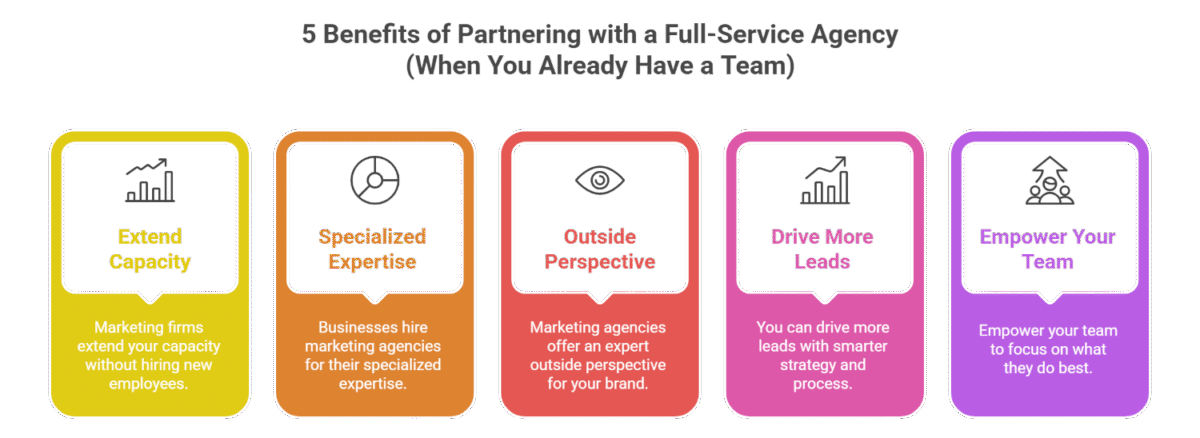
Your internal marketing team may be skilled and highly committed, but even the strongest in-house departments can face limitations. Limited time, growing workloads, or gaps in expertise across new and evolving channels can make it difficult to scale results effectively.
For organizations that have invested in building an internal marketing function, recognizing these constraints isn’t always easy. However, for many expanding businesses, partnering with an agency represents a natural next step in growth.
The right agency doesn’t replace your marketing team—it strengthens it. By adding specialized knowledge, fresh strategic insight, and additional execution capacity, an experienced digital partner allows your internal team to stay focused on core priorities while achieving greater overall impact.
Top Marketing Firms Expand Your Capacity Without Adding Headcount
When demand increases, internal marketing teams often feel the strain immediately. New website launches, major campaigns, or the need for consistent content can quickly overwhelm available time and resources.
Partnering with an agency provides immediate access to experienced strategists and creatives without the delays or costs associated with hiring. There’s no recruiting, onboarding, or long-term commitment—just skilled professionals ready to support your initiatives from the start.
Strong agency partners work as a true extension of your internal team. Rather than applying generic tactics, they take the time to understand your business, industry, and sales process. This allows them to support critical moments in your funnel and contribute in ways that align with real growth goals.
During high-demand periods or complex initiatives, external specialists can step in seamlessly—supporting paid media, SEO-driven content, video production, and more—so your internal team can stay focused on strategic priorities.
2. Marketing Agencies Provide Specialized Expertise
Digital marketing evolves rapidly. Search algorithms change, automation tools expand, social platforms adjust their rules, and AI continues to reshape how people find and interact with content.
Even highly capable internal teams can’t stay ahead of every shift while managing daily execution. A full-service agency gives access to specialists across disciplines such as SEO, paid media, analytics, content strategy, design, and emerging areas like AI-driven search optimization.
As discovery increasingly happens through generative and conversational platforms, visibility depends on more than traditional rankings. Experienced partners help adapt strategy and measurement to these changes, ensuring marketing efforts remain effective as the landscape evolves.
This balance of expertise and adaptability helps organizations stay focused, agile, and prepared for what’s next.
3. Agencies Offer an Objective Outside Perspective
Teams that work closely with a brand every day can develop blind spots over time. Familiar processes go unquestioned, and growth opportunities may be overlooked simply because they feel routine.
External partners bring objectivity. Through structured discovery, messaging refinement, and competitive analysis, they evaluate your brand from a fresh perspective—often identifying gaps or opportunities internal teams may miss.
Many organizations have solid foundations but need help refining positioning, modernizing messaging, or responding to market changes. A strategic partner helps bring clarity, alignment, and renewed confidence to brand and marketing efforts.
4. Smarter Strategy Leads to Better Lead Generation
Internal teams often focus heavily on execution—publishing content, managing campaigns, and reporting results—leaving little time to evaluate what’s truly driving growth.
While traditional sales tactics can support early success, sustainable scaling requires a more advanced approach. There are natural limits to outbound efforts, making it essential to build systems that attract and nurture qualified prospects more efficiently.
Effective lead generation depends on integrated strategy, technology, and process. From funnel optimization to automation and lead qualification, agencies help create data-driven systems that connect marketing activity directly to measurable outcomes.
With the right structure in place, marketing becomes a consistent source of qualified pipeline—allowing sales teams to focus on closing opportunities rather than generating them.
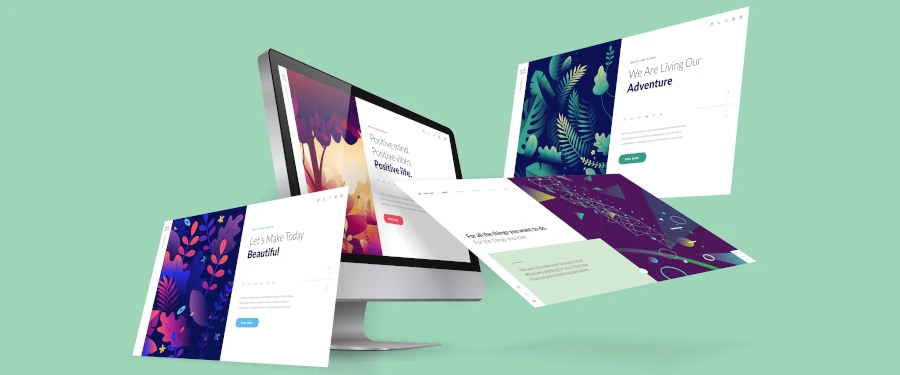
Your homepage sets the tone for your entire brand. By combining essential design principles with the most impactful web design trends of 2025, you can create a homepage that captures attention, builds trust, and turns visitors into customers.
Corporate Homepage Design Fundamentals
Before exploring modern web design trends, it’s important to focus on the essentials. These core elements form the foundation of an effective corporate homepage. Without them, building trust and encouraging visitors to take action becomes difficult.
Simple and Intuitive Navigation
Users should be able to locate key information quickly and easily. Clear menus and logical page structures help visitors move smoothly through your website, guiding them from awareness to action without frustration.
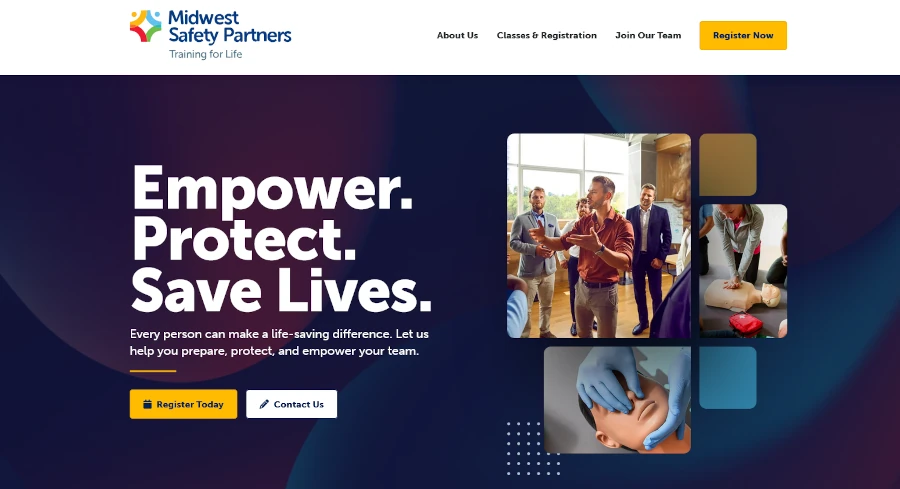
Strong Headline and Clear Value Statement
A homepage must instantly explain what your business does and why it matters. A clear headline combined with a concise value statement placed above the fold grabs attention and motivates users to continue exploring the site.
Prominent Calls-to-Action (CTAs)
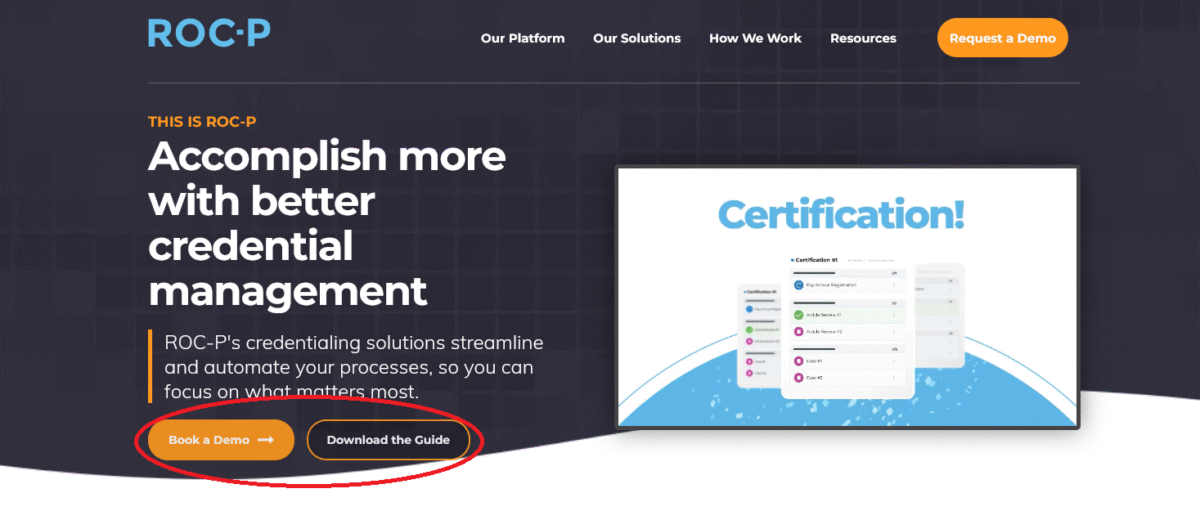
An effective corporate homepage includes clear and well-placed calls-to-action that guide visitors toward meaningful next steps. Whether it’s learning more, getting in touch, requesting a demo, or downloading a resource, CTAs help turn interest into action.
Many business websites still fail to include strong homepage CTAs, which results in missed lead-generation opportunities. Strategic placement—such as at the top of the page, within key sections, and near the end—ensures visitors are consistently prompted to engage without feeling pressured.
Multiple touchpoints across the homepage increase the chances of conversion by meeting users at different stages of their decision-making process.
Contact Information
Make it easy for visitors to reach you. Display your contact details in multiple locations, such as within the main content and in the footer. Keeping this information consistent in format and structure across the site helps build trust and supports search visibility.
Social Media Links
Users typically look to the header or footer for social profile links, so be sure yours are easy to find. Use current platform icons, match them to your brand’s visual style, and link to the correct accounts to maintain credibility and encourage engagement.
High-Quality Visuals
Use professional, relevant images and videos that align with your brand identity. Strong visuals—supported by consistent color and design choices—capture attention, reinforce recognition, and help establish trust with visitors.
How Digital Marketing Is Changing in 2026: What Brands Must Do to Stay Visible
1. AI Has Redefined Search and Content Marketing
AI has fundamentally changed how people discover information and make decisions. Instead of clicking through multiple links, users increasingly rely on AI-generated summaries and recommendations. This has reduced traditional clicks and increased the importance of how AI systems interpret and surface content.
Search visibility now depends on clarity, structure, and authority—not just keywords. Brands must focus on answering questions completely, using well-organized content that AI can easily understand and trust. Without AI-ready content, brands risk disappearing from search results altogether.
Key Focus Areas:
Clear, authoritative answers to real user questions
Structured content with proper headings and schema
Consistent brand messaging across all platforms
Content that satisfies intent without forcing users to search elsewhere
2. Social Media Is Now a Discovery Engine
Social platforms are no longer just for engagement—they are where discovery begins. Many users, especially younger audiences, now find brands while scrolling social feeds rather than searching on Google.
Short-form video, platform-native storytelling, and search-friendly captions are essential. Brands that treat social content strategically—rather than posting randomly—gain visibility, trust, and new audiences earlier in the buyer journey.
What Works Best:
Strong hooks in the first few seconds
Authentic, UGC-style visuals
Platform-specific content formats
Captions and metadata optimized for discovery
3. Buyers Prefer Self-Service Experiences
Modern buyers want to research and decide on their own terms. Websites, listings, and social profiles must now do the job that sales teams once handled—clearly explaining value, answering questions, and building confidence.
If users can’t quickly understand what you offer and why it matters, they move on.
Must-Have Elements:
Clear value propositions and differentiation
Simple, intuitive navigation
Proof such as case studies, reviews, and testimonials
Content that answers questions without requiring contact
4. Trust Drives Every Digital Decision
As AI-generated content increases, trust has become a major competitive advantage. Users rely heavily on reviews, real experiences, and transparent messaging to decide which brands to believe.
Authenticity matters more than hype. Brands that consistently show real results, real people, and real expertise perform better long-term.
Trust-Building Priorities:
Genuine customer reviews with detail and context
Honest claims supported by data or examples
User- and employee-generated content
Consistent tone and messaging across channels
5. Video Is the Most Effective Content Format
Video has become the fastest and most impactful way to communicate. Short videos drive discovery, while slightly longer educational videos build authority and understanding.
Video works because it’s easy to consume, memorable, and adaptable across platforms—from social feeds to search results to streaming ads.
Recommended Video Mix:
Short-form videos for reach and discovery
Educational videos for authority and SEO
OTT/CTV ads for brand awareness
2026 Marketing Action Plan (Simplified)
To stay competitive in 2026, brands should focus on:
Creating AI-friendly, authoritative content
Using social platforms as discovery tools
Building self-service digital experiences
Prioritizing transparency and credibility
Using video consistently across the funnel
Marketing is evolving fast, but the opportunity is clear. Brands that adapt e